What Is Neck Pain?
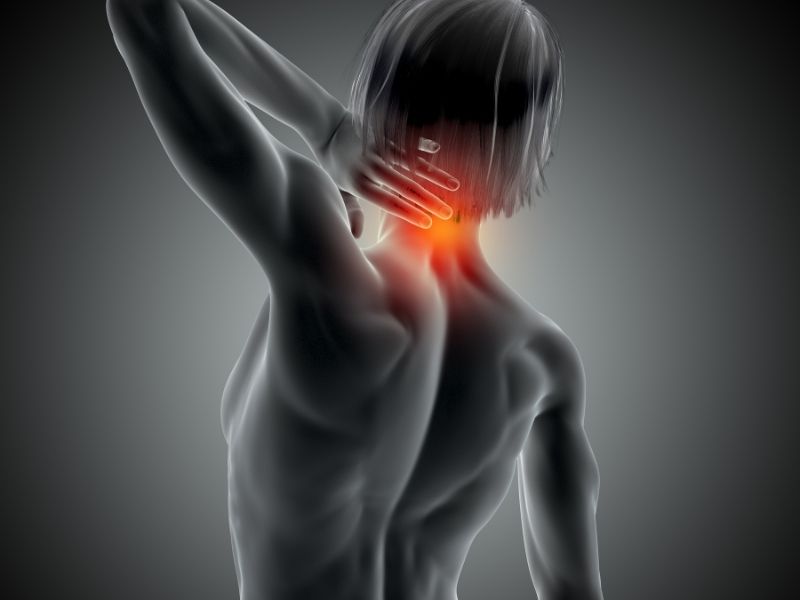
Neck pain is one of the most common musculoskeletal problems today. The neck is the most mobile part of the spine; it supports the weight of the head and allows a wide range of motion. Because of this mobility, it is highly susceptible to mechanical strain, muscle spasms, and disc problems.
Neck pain typically results from muscle strain or poor posture. However, in some cases, cervical disc herniation, degenerative joint changes (arthritis), or nerve root compression may be the cause.
Modern lifestyle habits such as prolonged computer use, leaning forward while looking at a phone, a sedentary lifestyle, and stress are common contributors to neck pain. Therefore, neck pain is not only seen in older adults but increasingly affects younger individuals as well.
Symptoms and Signs of Neck Pain
Neck pain can present in various forms. Symptoms may start mildly but progress to limited motion or pain radiating to the arm over time.
The most common symptoms include:
- Neck pain and stiffness: Discomfort that worsens with head movements and may improve with rest.
- Pain radiating to the arm: If a nerve root is compressed, pain may spread from the shoulder down to the arm and hand.
- Muscle spasm: Tightness or cramping sensation in the neck muscles.
- Numbness or tingling: Sensory changes in the arm or hand due to nerve compression.
- Headache: Cervicogenic headaches may start at the base of the skull and spread toward the temples.
- Dizziness and balance issues: May occur due to muscle tension or changes in blood flow.
Pain is usually on one side, but if muscle spasm is widespread, both sides may be affected. In chronic cases, neck movement becomes limited due to protective stiffness.
Causes of Neck Pain
The most common causes of neck pain include:
- Muscle strain: Poor posture, prolonged static positions, or sudden movements.
- Cervical disc herniation: Disc material pressing on a nerve root.
- Degenerative changes (arthritis): Wear-and-tear of joints and discs that may lead to spinal canal narrowing and nerve compression.
- Trauma: Whiplash injuries after car accidents.
- Postural disorders: Forward head posture or slouching.
- Stress: Increasing muscle tension in the neck and shoulders.
Some systemic conditions (such as rheumatic diseases or infections) may also cause neck pain, making clinical evaluation essential.

How Is Neck Pain Diagnosed?
The cause of neck pain is determined through a thorough clinical examination and, when necessary, imaging studies.
Physical Examination:
The physician evaluates neck mobility, muscle strength, and sensory changes. Pain-provoking movements and radiation to the arm are assessed.
Imaging Techniques:
- MRI: Shows soft tissue structures such as discs, nerves, and spinal canal.
- CT Scan: Helps assess bone structures and degenerative changes.
- X-ray: Evaluates spinal alignment, curvature, and instability.
In some cases, EMG may be performed to evaluate nerve function.
Early diagnosis is crucial to prevent permanent nerve damage. Radiating pain or numbness should prompt specialist evaluation.
Treatment Options for Neck Pain
Treatment depends on the underlying cause, severity, and patient condition. The goal is to relieve pain, restore mobility, and prevent recurrence.
A. Non-Surgical (Conservative) Treatment
Most cases of neck pain improve with appropriate lifestyle adjustments and conservative treatment.
- Physical therapy and exercise: Strengthens neck muscles and improves posture. Manual therapy, heat/cold applications, and traction may be used.
- Medications: Muscle relaxants, pain relievers, and short-term anti-inflammatory drugs may reduce symptoms.
- Ergonomic adjustments: Keeping the monitor at eye level, avoiding forward head posture, and using proper pillows are important.
- Stress management: Meditation, regular exercise, and relaxation techniques may reduce muscle tension.
These methods provide lasting relief for most patients.
B. Surgical Treatment
Surgery is considered only when there is significant nerve compression, progressive muscle weakness, or severe pain that does not improve with conservative treatment.
The aim is to relieve pressure on the nerve and maintain spinal stability.
Main surgical techniques include:
- Discectomy: Removing the herniated disc.
- Decompression: Relieving pressure on the nerve root.
- Fusion (stabilization): Fusing two vertebrae or using titanium plates and screws when needed.
Modern microsurgical and endoscopic approaches reduce incision size and speed up recovery. Proper patient selection leads to highly successful outcomes.
Conclusion
Although neck pain is often due to muscle strain, it may sometimes indicate serious conditions like nerve compression or disc disease.
Persistent pain, arm pain, or numbness should be evaluated by a neurosurgeon.
With early diagnosis and appropriate treatment, pain can be managed effectively and nerve damage can be prevented.
Remember: Proper posture, regular exercise, and stress management are key to maintaining neck health.